
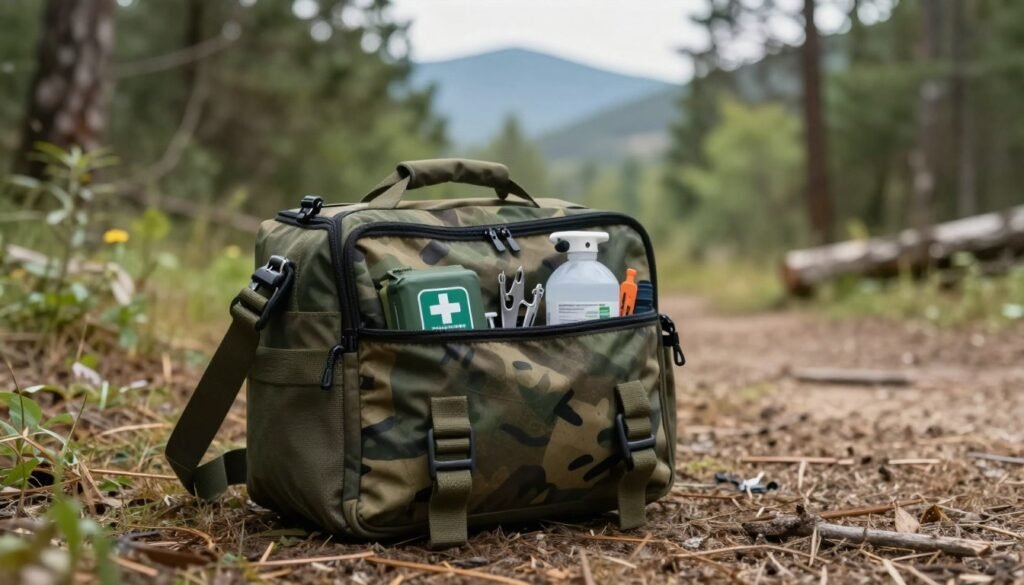
If you are new to emergency preparedness, starting your journey can feel overwhelming. A pre-packed kit is one of the easiest ways to get started without needing to source every individual item yourself. By choosing a reliable, pre-assembled option, you gain the essential tools needed for safety in a single, convenient package.
Finding the best bug out bag requires balancing durability, weight, and organizational capacity. You want gear that stands up to harsh conditions while remaining light enough to carry during a quick departure. Our guide helps you navigate these choices to ensure you are ready for any unexpected situation.
Selecting the right equipment is a vital step toward peace of mind. By focusing on quality and functionality, you avoid common pitfalls that many newcomers face. Investing in the best bug out bag today ensures you have a solid foundation for your survival strategy in 2026.
Key Takeaways
- Pre-packed kits offer a simple entry point for emergency readiness.
- Prioritize a balance between gear durability and total pack weight.
- Organizational capacity is essential for quick access to critical supplies.
- Avoid common mistakes by selecting field-tested equipment for your needs.
- Building a reliable kit provides significant peace of mind during uncertain times.
Understanding the Fundamentals of Emergency Preparedness
Building an emergency preparedness bag is the most effective way to ensure your safety during a sudden evacuation. Many people assume that help will arrive immediately during a disaster, but the reality is often different. In many cases, it can take up to three days for official support to reach affected areas.
By having a kit ready, you bridge that critical gap between the start of an emergency and the arrival of professional aid. This is not about preparing for long-term wilderness survival, but rather about rapid mobility when you need to leave your home quickly.
Why Every Beginner Needs a Bug Out Bag
A well-organized emergency preparedness bag serves as your lifeline when time is of the essence. When you are forced to evacuate, you will not have the luxury of time to gather your essential documents, medications, or water supplies. Having these items pre-packed allows you to focus on your family and your route to safety.
Beginners often feel overwhelmed by the sheer volume of survival gear available on the market. However, the goal is to keep your kit simple and functional. Focus on the essentials that keep you hydrated, warm, and informed during the first 72 hours of a crisis.
Key Considerations for Selecting Your First Survival Backpack
Choosing the right pack is just as important as the gear you put inside it. You need a bag that is comfortable to carry for long distances, especially if you are forced to travel on foot. Look for options with padded shoulder straps and a sturdy waist belt to help distribute weight evenly.
Durability is another non-negotiable factor for your emergency preparedness bag. You want a pack made from high-denier nylon that can withstand rough handling and harsh weather conditions. Accessibility is also key; ensure your bag has multiple compartments so you can reach your most important items without dumping everything out.
| Feature | Daypack | Tactical Pack | Hiking Backpack |
|---|---|---|---|
| Capacity | 15-25 Liters | 30-45 Liters | 50+ Liters |
| Durability | Moderate | High | High |
| Accessibility | Basic | Excellent | Moderate |
| Best Use | Short Trips | Emergency Kits | Long Travel |
Top Picks for the Best Bug Out Bag in 2026
When disaster strikes, your choice of backpack becomes the most critical piece of equipment you own. Finding the best bug out bag is not just about storage; it is about ensuring your gear remains accessible and protected. These top bug out bags have been selected based on real-world performance and expert bug out bag reviews to help you make an informed decision.
5.11 Tactical Rush72 2.0 Backpack
Overview
The Rush72 2.0 is widely considered the gold standard for those who need a reliable, large-capacity pack. It is designed to handle extended missions, making it one of the best bug out backpacks for beginners who want to carry extra supplies.
Pros
- Exceptional build quality with water-resistant fabric.
- Massive storage capacity for long-term survival.
- Highly customizable with extensive MOLLE webbing.
Cons
The bag is quite large, which may feel bulky for smaller individuals. It also carries a higher price point compared to entry-level options.
Features
This pack features a dedicated compartment for a hydration bladder and a hidden CCW pocket. The contoured shoulder straps provide excellent weight distribution for heavy loads.
Mystery Ranch 2 Day Assault Pack
Overview
If you prioritize quick access to your gear, this tactical bug out bag is an excellent choice. It utilizes a unique three-zip design that allows you to open the entire bag instantly.
Pros
- Signature three-zip design for rapid access.
- Adjustable yoke system for a custom fit.
- Extremely comfortable for long-distance trekking.
Cons
The internal organization is somewhat limited compared to other tactical packs. It also lacks some of the external attachment points found on larger bags.
Features
The pack includes a floating lid and a dedicated laptop sleeve that doubles as a hydration bladder holder. Its durable construction ensures it can withstand harsh outdoor environments.
SOG Specialty Knives & Tools Ninja Tactical Daypack
Overview
For those on a budget, the SOG Ninja is a solid heavy duty bug out bag that gets the job done. It is compact, lightweight, and perfect for a basic 24-hour emergency kit.
Pros
- Very affordable price point for beginners.
- Lightweight design that is easy to carry.
- Includes a dedicated hydration bladder pocket.
Cons
The material is thinner than premium tactical bags. It is not suitable for carrying extremely heavy loads over long distances.
Features
This bag features a front accessory pocket and side compression straps to keep your gear secure. It also includes a hook-and-loop patch area for personalization.
| Model | Capacity | Best For | Durability |
|---|---|---|---|
| 5.11 Rush72 2.0 | 55 Liters | Long-term survival | Very High |
| Mystery Ranch 2 Day | 27 Liters | Rapid movement | High |
| SOG Ninja | 24 Liters | Short-term kits | Moderate |
Essential Gear to Pack in Your Survival Backpack
Your survival gear backpack is only as effective as the items you choose to carry inside. When you start building your kit, it is vital to prioritize tools that address the rule of threes. This concept reminds us that we can only survive three hours without shelter, three days without water, and three weeks without food.
Focusing on these core categories ensures that your pack remains balanced and ready for immediate deployment. By selecting lightweight, high-quality gear, you maintain the mobility needed for a long-distance trek.
Water Filtration and Hydration Systems
Access to clean water is the most critical factor in any emergency situation. You should always carry a reliable way to purify water from natural sources, such as streams or lakes.
- Portable water filters: Compact straw-style filters are perfect for quick, on-the-go hydration.
- Hydration bladders: A 2-liter reservoir allows you to drink while moving without stopping to unpack.
- Purification tablets: These serve as a lightweight backup if your primary filter fails.
Emergency Food Rations and Nutrition
When choosing food for your bug out bag essentials, prioritize calorie density over variety. You need items that provide sustained energy without adding unnecessary weight to your load.
Look for vacuum-sealed ration bars or freeze-dried meals that have a long shelf life. These options are designed to withstand temperature changes and rough handling during an evacuation.
Shelter and Warmth Essentials
Exposure to the elements can be just as dangerous as a lack of food or water. Your goal is to create a protective barrier between your body and the environment using minimal space.
Consider packing these items to stay warm and dry:
- Emergency Mylar blankets: These are incredibly lightweight and reflect body heat back to you.
- Heavy-duty ponchos: A high-quality poncho keeps you dry and can double as a makeshift tarp.
- Compact bivy sacks: These provide a more durable shelter option than a standard blanket for overnight stays.
By carefully curating these bug out bag essentials, you ensure that you are prepared for the unexpected. Keeping your gear organized and lightweight is the secret to staying mobile when it matters most.
Navigating Tactical Bug Out Bag Features
A high-quality tactical bug out bag is more than just a container; it is a sophisticated tool for survival. When you invest in the best bug out backpacks, you gain access to features engineered for extreme conditions. Understanding these technical specifications helps you identify gear that will not fail when you need it most.
The Importance of MOLLE Webbing for Customization
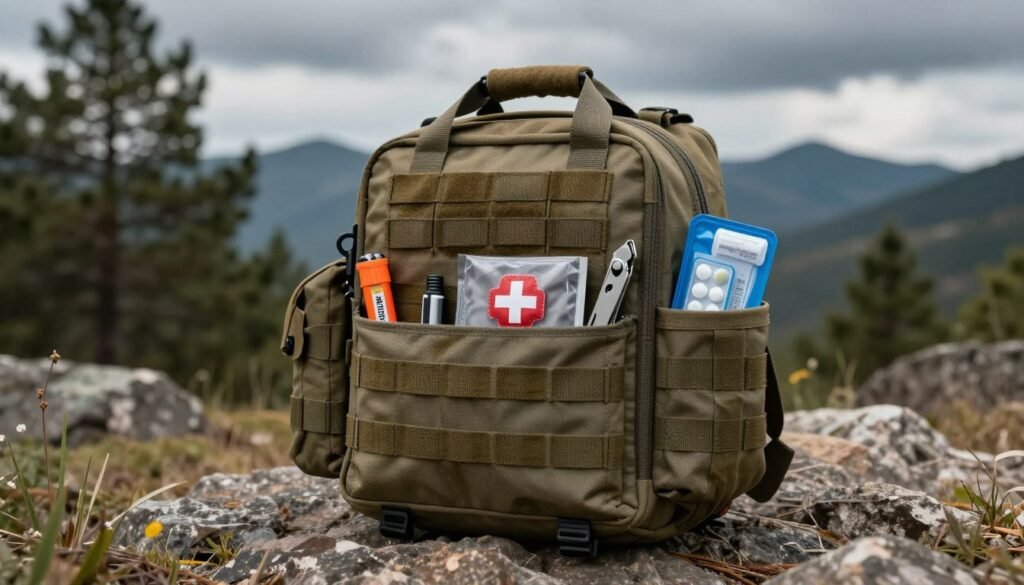
MOLLE, or Modular Lightweight Load-carrying Equipment, is a grid system found on many top bug out bags. This webbing allows you to attach extra pouches and gear to the exterior of your pack. By utilizing this system, you can expand your storage capacity without sacrificing the structural integrity of the main compartment.
Durability Standards for Heavy Duty Bug Out Bags
A true heavy duty bug out bag must withstand harsh environments and heavy loads. Look for materials like 500D or 1000D Cordura nylon, which offer superior abrasion resistance. Reinforced stitching at stress points is another hallmark of a reliable, heavy duty bug out bag that is built to last.
Ergonimics and Weight Distribution for Long-Distance Travel
Carrying a heavy load over long distances requires more than just a sturdy frame. Ergonomic features like yoke-style harnesses and padded hip belts are essential for comfort. These components shift the weight from your shoulders to your hips, which prevents fatigue during extended travel.
| Feature | Benefit | Survival Impact |
|---|---|---|
| MOLLE Webbing | Modular Expansion | High Customization |
| 1000D Nylon | Abrasion Resistance | Extreme Durability |
| Internal Frame | Weight Transfer | Reduced Fatigue |
| Padded Harness | Load Distribution | Long-Distance Mobility |
How to Organize Your Ultimate Bug Out Kit
A well-organized survival gear backpack can save you precious minutes during a crisis. When you are under pressure, your ability to locate specific items quickly becomes a matter of safety. By creating a logical system, you ensure that your bug out bag essentials are always within reach.
Categorizing Gear for Quick Access
Start by grouping your items into functional categories. Keep medical supplies, fire-starting tools, and hygiene products in separate, clearly marked pouches. This method allows you to grab exactly what you need without dumping your entire pack on the ground.
Use transparent bags or color-coded organizers to identify contents at a glance. Consistency is key; always return items to their designated spots after use. This habit builds muscle memory, which is vital when visibility is low or stress levels are high.
Using Compression Sacks and Dry Bags
Bulky items like sleeping bags and extra clothing can quickly consume your limited space. Compression sacks are excellent tools for shrinking these items down to a manageable size. They allow you to maximize the internal volume of your pack effectively.
Additionally, protect your sensitive gear from moisture by using dry bags. Even if your pack is water-resistant, a heavy downpour can soak your supplies. Keeping your spare clothes and electronics in waterproof containers ensures they remain dry and functional.
Balancing Weight for Optimal Mobility
Proper weight distribution is essential for long-distance travel. Place your heaviest items close to your back and centered between your shoulder blades. This positioning helps maintain your center of gravity and prevents the pack from pulling you backward.
Lighter, frequently used items should go in the outer pockets or near the top of the main compartment. By keeping your ultimate bug out kit balanced, you reduce strain on your shoulders and hips. This stability allows you to move faster and with greater confidence over uneven terrain.
| Category | Storage Method | Primary Benefit |
|---|---|---|
| Medical Supplies | Red Pouch | Rapid Identification |
| Clothing/Linens | Compression Sack | Volume Reduction |
| Electronics | Dry Bag | Moisture Protection |
| Heavy Tools | Centered/Back | Weight Distribution |
Safety and Maintenance for Your Emergency Preparedness Bag
Keeping your gear in top shape is just as important as choosing the right pack. Even the most heavy duty bug out bag will eventually show signs of wear if it is neglected. By establishing a routine, you ensure that your equipment remains reliable when a crisis strikes.
Regular Inspection of Survival Gear
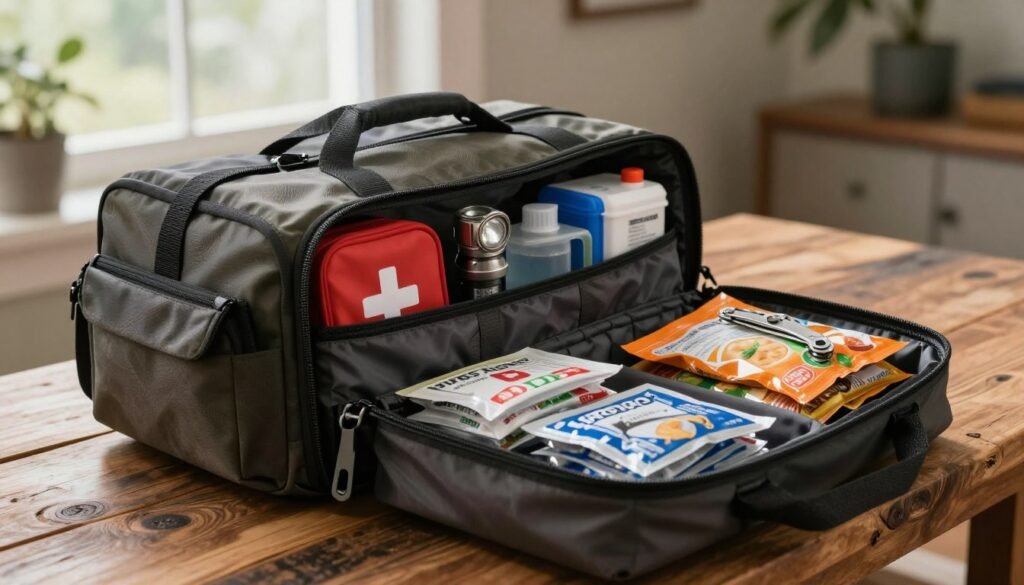
You should perform a thorough check of your survival gear backpack at least twice a year. Look closely at the stitching, especially around the shoulder straps and heavy-load areas. If you notice frayed threads or zippers that stick, address these issues immediately to prevent failure during an emergency.
Check all plastic buckles for cracks or brittleness caused by temperature changes. A quick inspection helps you identify if any components need replacement before they break in the field. This proactive habit is often highlighted in top-rated bug out bag reviews as a critical step for long-term readiness.
Rotating Perishable Items and Batteries
Many beginners forget that food, water, and batteries have expiration dates. Create a simple calendar reminder to swap out your supplies every six months. This ensures that your nutrition bars are fresh and your batteries have a full charge.
- Replace water purification tablets that have passed their shelf life.
- Test flashlights and headlamps to ensure batteries have not leaked.
- Check medical kits for expired ointments or bandages.
Testing Your Bag in Real-World Conditions
The best way to verify your setup is to take it outside. Go for a short hike with your fully loaded survival gear backpack to see how it feels on your back. This practice allows you to adjust the straps for better weight distribution and comfort.
If you find that the pack causes strain or shifts awkwardly, you may need to reorganize your gear. Testing in real-world conditions helps you build muscle memory, making it easier to move quickly if you ever need to evacuate your home.
| Maintenance Task | Frequency | Action Required |
|---|---|---|
| Strap Inspection | Every 6 Months | Check for fraying |
| Food/Water Rotation | Every 6 Months | Replace expired items |
| Battery Check | Every 3 Months | Test and replace |
| Field Testing | Annually | Practice hike |
Common Mistakes Beginners Make When Building a Bug Out Bag
Even the most well-intentioned preppers often make critical errors when assembling their first emergency gear. While the goal is to be ready for anything, the process of selecting items can quickly become overwhelming. By identifying these common pitfalls early, you can build a more effective and sustainable survival system.
Overpacking and Excessive Weight
One of the most frequent errors is the tendency to pack every item that seems useful. This leads to a heavy, cumbersome load that can hinder your mobility during a crisis. Keeping your pack weight under 25 pounds is essential for maintaining speed and endurance on foot.
When you choose your bug out bag essentials, focus on versatility rather than quantity. A lighter bag allows you to move faster and navigate difficult terrain with much greater ease.
Neglecting Personal Medical Needs
Many people focus heavily on tools and shelter while forgetting their own health requirements. If you rely on daily medication, your kit must include a sufficient supply to last through an evacuation. Failing to account for these specific needs can turn a manageable situation into a dangerous health emergency.
“Preparation is not about having everything; it is about having the right things when you need them most.”
Always prioritize your health by keeping a dedicated medical pouch within your best bug out backpacks. This ensures that your vital supplies remain organized and accessible at all times.
Failing to Practice with Your Gear
Buying high-quality equipment is only half the battle if you never take it out of the closet. You must test your tactical bug out bag in real-world conditions to understand how it performs on your back. This practice helps you identify comfort issues and refine your packing strategy before an actual emergency occurs.
Physical readiness is just as important as the gear itself. Regular training ensures that you can handle the weight and use your tools effectively under pressure. Never wait for a disaster to discover that your equipment is difficult to manage or improperly fitted.
Legal and Ethical Considerations for Emergency Evacuation
Preparing for an emergency requires more than just physical gear; it demands a clear understanding of the legal and social rules that govern evacuation. While having the top bug out bags is essential, knowing how to act within your community during a crisis is equally vital. You must balance your personal survival needs with the laws and expectations of the public around you.
Understanding Local Evacuation Protocols
Every region has specific rules regarding how citizens should move during a disaster. You should research your local evacuation routes and understand the regulations regarding self-defense tools in your area. Ignorance of these laws can lead to unnecessary complications when you are already under significant stress.
Always keep your documentation and identification in a waterproof pouch within your emergency preparedness bag. Being able to prove your identity or residency can help you navigate checkpoints more smoothly. Remember that local authorities prioritize public safety, so cooperation is usually the best strategy for a quick exit.
Responsible Gear Selection and Public Perception
The concept of the “grey man” is a popular strategy for those building an ultimate bug out kit. This approach suggests selecting gear that blends into the environment to avoid drawing unwanted attention. If your pack looks too tactical or aggressive, it may cause alarm among civilians or authorities during a chaotic situation.
Choosing neutral colors and standard-looking backpacks can help you move through crowds without being singled out. Your goal is to reach safety efficiently, not to stand out as a target. Balancing your survival needs with social responsibility ensures a much smoother experience during a large-scale evacuation.
| Strategy | Visual Impact | Social Perception |
|---|---|---|
| Tactical Gear | High Visibility | May cause concern |
| Grey Man Approach | Low Profile | Blends into crowds |
| Standard Hiking Gear | Neutral | Generally accepted |
Ultimately, your emergency preparedness bag should be a tool for safety, not a source of conflict. By staying informed and choosing your equipment wisely, you protect both yourself and your community. Stay calm, stay prepared, and always prioritize clear communication with those around you.
Conclusion
Creating a reliable emergency plan starts with the right mindset and the right gear. You now possess the knowledge to choose the best bug out bag that fits your specific survival needs.
Your journey toward self-reliance requires consistent effort and attention to detail. Reading expert bug out bag reviews helps you understand which features provide the most value during high-stress situations. You should prioritize gear that offers both comfort and long-term durability.
Assembling your ultimate bug out kit is a process of constant refinement. You must test your equipment in real environments to ensure everything functions as expected. This hands-on experience builds the confidence needed to handle unexpected challenges effectively.
Focus on your personal training and physical readiness alongside your gear selection. The most effective survival tools are those you know how to operate under pressure. Keep your supplies organized and updated to maintain a state of constant readiness.
Share your experiences with fellow preparedness enthusiasts to learn new techniques. Your commitment to safety protects your future and provides peace of mind. Stay proactive as you continue to improve your emergency response capabilities.